
Category: AI in Marketing · Beginner Guide · 12 min read
Published: June 11, 2026 · Last updated June 2026
In This Article
1. Focus on the Job, Not the Method
2. AI for Content Creation and Copywriting
3. AI-Powered Personalization at Scale
4. AI in Paid Advertising
5. AI for SEO and Search Visibility
6. AI-Driven Analytics and Customer Insights
7. How to Get Started Without the Overwhelm
8. Frequently Asked Questions
Focus on the Job, Not the Method
Learning AI for marketing requires a simple mindset shift – don’t ask what the AI can do. Instead, ask which specific job you want it to handle. That single question separates real results from expensive dabbling. After all, most business owners have typed a few prompts into a chatbot and stopped there, which barely scratches the surface.
The real value shows up when artificial intelligence gets built into how your marketing runs day to day. Machine learning, natural language processing, and predictive models can quietly handle the repetitive work, freeing you to focus on strategy and brand. So this guide skips the hype. Instead, it walks through the areas where AI delivers measurable value today, and shows you a sane way to begin.
AI for Content Creation and Copywriting
Content is where most marketers first put AI to work, and for good reason. Generative AI excels at first drafts, outlines, and repetitive writing tasks that used to eat hours. Tools like ChatGPT, Claude, and Gemini can produce ad copy, social captions, email subject lines, meta descriptions, and product descriptions in seconds.
The Human-AI Workflow
Speed alone isn’t the point, though. The best results come from a partnership, not a handoff. AI generates the raw draft, then a human refines it for brand voice, accuracy, and strategy. Because of this workflow, your team ships more content without losing the distinct tone that makes it yours.
Where the Limits Are
Still, AI content needs a human editor. Models can invent facts, drift off-brand, or produce generic phrasing that readers quickly spot. Treat every draft as a starting point rather than a finished product. Used that way, AI becomes a creativity multiplier instead of a replacement for judgment. One benchmark cited by Adobe found marketers save an average of 11 hours a week with AI, which shows just how much time this frees up.
AI-Powered Personalization at Scale

Personalization is arguably where AI shines brightest. Modern shoppers expect it, too. Research from McKinsey found that 71% of consumers want personalized interactions, while 76% feel frustrated when brands fail to deliver them. More striking still, companies that excel at personalization generate around 40% more revenue than average performers.
Beyond Basic Demographics
Old-school segmentation sorted people by age, gender, and location. AI goes deeper. Machine learning models study behavior patterns, purchase history, and browsing signals to predict what each customer needs next. Then they deliver tailored content automatically, much like Spotify curates a playlist around your listening habits.
Real-World Impact
Concrete results back this up. Philips, for example, used AI-powered product recommendations to lift mobile conversion rates by roughly 40% and generate meaningful incremental revenue. You can extend these recommendations across email, SMS, and other channels for a consistent experience. Keep in mind, though, that personalization is only as good as your data. Clean, unified customer data is the fuel that makes any of this work.
AI in Paid Advertising
Managing modern ad campaigns by hand is nearly impossible at scale. AI now handles the heavy lifting across bidding, budgeting, and creative testing. This is one of the most mature and measurable applications available to marketers today.
Smart Bidding and Budgeting
Consider how ad platforms already work. Google Ads’ Smart Bidding uses machine learning to set a bid for every single auction, weighing signals like device, location, and time of day. Tools such as Performance Max go further still, automatically selecting placements and audiences to stretch your return. As a result, budget flows toward what performs without constant manual tweaking.
Creative Generation and Testing
Ad creative has become another AI stronghold. A recent industry report found that 73% of US advertisers now use AI to create images for banner ads and social posts. Meanwhile, adoption in video is climbing fast, with many media buyers planning AI-generated video ads this year. AI can also produce dozens of headline and copy variations, then feed real performance data back into the next round of testing.
AI for SEO and Search Visibility
Search has changed, and AI sits at the center of that change. Marketers now lean on AI for keyword research, content gap analysis, topic clustering, and SERP analysis. These tasks once took days of manual work, yet AI compresses them into hours.

Practical SEO Applications
Here’s where AI earns its keep in search. It can draft meta descriptions and title tags at scale, map out content clusters around a core topic, and flag gaps competitors are ranking for. Because these jobs are repetitive and data-heavy, they suit AI perfectly.
The New Layer: AI Search Visibility
One fresh priority deserves attention in 2026. Buyers increasingly ask tools like ChatGPT, Perplexity, and Google’s AI Overviews for recommendations. To show up there, answer questions directly in the first line or two of each section, so a model can lift a clean 40-to-60-word answer. Organize your content into sections so that each plays its part. Do that consistently, and you position your brand as the answer, not just a link.
AI-Driven Analytics and Customer Insights
Data does not have any value unless you act on it. AI-powered analytics turn raw numbers into decisions, often faster than any human analyst could manage. This change turns marketing into a decisive strategy game.
From Hindsight to Foresight
Traditionally, marketers waited for weekly reports before acting. Now AI agents flag a spike in cost-per-click overnight or recommend shifting spend in real time. Predictive analytics take this further by forecasting intent. For instance, a model might spot a high-value customer who’s likely to churn, letting you send a timely offer before you lose them.
Common Analytics Use Cases
Several applications deliver clear value today:
- Predictive lead scoring: ranking prospects by how likely they are to convert.
- Sentiment analysis: reading reviews, social posts, and support tickets to gauge how people feel.
- Anomaly detection: catching sudden drops in engagement before they become real problems.
- Churn prediction: identifying at-risk customers early enough to act.
Together, these tools help you spend smarter and hold onto more of the customers you already have.
How to Get Started Without the Overwhelm
Trying to adopt AI everywhere at once is the fastest route to frustration. A focused approach works far better. The goal is one small win you can measure, then build from there.
A Simple Four-Step Path
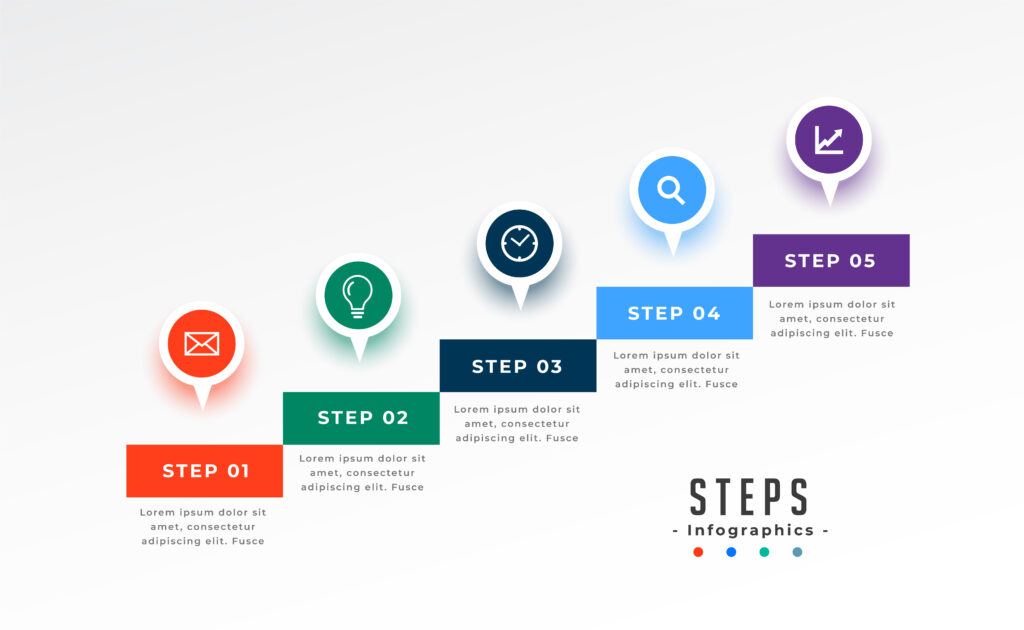
Follow this sequence to keep things manageable:
1. Pick one repetitive task. Choose the job that already eats the most hours, like drafting email subject lines or writing product descriptions.
2. Choose a tool that fits. Select something that connects to your existing stack rather than adding complexity.
3. Run a 30-day pilot. Set a clear success metric before you begin, so you know what winning looks like.
4. Measure, then expand. Review the results, refine your process, and roll AI out to the next task.
Keep the Human in the Loop
One final principle ties it all together. AI amplifies human creativity; it doesn’t replace it. Set up monthly reviews to check that your tools actually deliver, and protect customer privacy at every step. Handle the operational work with AI, and your team gains time for the storytelling and relationship-building only people can do.
The Bottom Line
So, how do you use AI in marketing effectively? You point it at the tasks that already drain your time, keep a human in charge of judgment and voice, and expand only once you’ve proven the value. Whether the job is content, personalization, ad optimization, search, or analytics, the winning pattern stays the same. AI works best when it’s woven into repeatable processes rather than treated as a shiny novelty.
Start small and start today. Audit your current workflow, find the three tasks where AI could save the most time, and run a single pilot. You’ll learn more from one real experiment than from months of reading. The marketers pulling ahead in 2026 aren’t the ones using the most tools. They’re the ones using the right tool for the right job.
Frequently Asked Questions
Do I need technical skills to use AI in marketing?
No, and that’s one of the biggest shifts in recent years. Most modern AI marketing tools are built for non-technical users, with plain-language prompts and simple dashboards. You describe what you want, and the tool handles the complexity underneath. A basic grasp of prompting helps you get better results, but you don’t need to code. The real skill is knowing which task to hand off and how to review the output critically.
Will AI replace marketers?
It’s far more likely to reshape the job than erase it. AI handles the repetitive, operational work, such as drafting, sorting data, and testing variations. That frees marketers to focus on strategy, brand, and creative direction, which machines still handle poorly. The professionals who thrive won’t be replaced by AI. Rather, they’ll be the ones who learn to direct it well and pair it with human judgment.
How much does it cost to start using AI in marketing?
You can begin for very little. Many leading tools offer free tiers or trials that cover core tasks like content drafting and basic analysis. Paid plans typically start in the range of 20to50 per month per tool, and costs scale as your needs grow. Because you can start with a single tool aimed at one task, the entry cost stays low. Prove the value first, then invest more as results justify it.
Which marketing tasks should I automate with AI first?
Start where the time drain is biggest and the risk is lowest. For most small and medium businesses, that means content first drafts, email personalization, ad copy variations, and routine reporting. These jobs are repetitive, data-heavy, and easy to measure, which makes them ideal starting points. Save higher-stakes, judgment-heavy work, like brand strategy, for later, once you trust your workflow.
Is AI-generated content bad for SEO?
Not inherently, but quality is everything. Search engines reward helpful, original, trustworthy content regardless of how it’s produced. Problems arise when businesses publish thin, unedited AI output at volume, which readers and algorithms both penalize. The safe approach is to use AI for drafts and structure, then add genuine expertise, editing, and unique insight. Human oversight is what keeps AI content valuable rather than generic.
How do I keep AI personalization from feeling creepy?
Balance and transparency are key. Consumers expect relevant experiences, yet they distrust brands that seem to know too much. Use personalization to be genuinely helpful, not to show off how much data you hold. Be clear about what you collect, honor privacy regulations, and give customers control over their preferences. Done thoughtfully, personalization feels like good service rather than surveillance.
This article reflects industry data and tools available as of mid-2026. AI capabilities evolve quickly, so treat specific figures and platform features as a snapshot rather than a permanent standard.
