
Introduction
Getting a website onto the first page of Google is a major objective for many businesses, bloggers, marketers, and online entrepreneurs. Yet achieving strong visibility in search requires much more than adding a few keywords to a page.
Google’s systems have become increasingly sophisticated. Modern SEO depends on whether a website provides useful information, meets the searcher’s purpose, offers a good experience, and demonstrates credibility.
SEO is therefore best treated as an ongoing growth strategy rather than a collection of shortcuts. Improving relevance, trust, technical performance, content quality, and authority over time gives a site a stronger foundation for organic search visibility.
This guide presents practical approaches for improving a website’s Google performance in 2026, including on-page optimization, content development, mobile usability, site speed, link acquisition, technical SEO, topical authority, measurement, and content maintenance.
Understanding Google’s Ranking Signals
Before changing a website, it helps to understand the broad signals that can influence how pages perform in search. Google’s systems consider many factors rather than relying on one universal ranking formula.
Important areas include content quality, how well a page satisfies search intent, site authority, user experience, loading performance, mobile usability, links from other sites, technical accessibility, internal linking, security, and brand credibility.
At a practical level, a page should be relevant to the query, supported by credible signals, easy to use, and trustworthy. The stronger the overall combination, the better positioned the site may be to compete for visibility.
Improve On-Page SEO
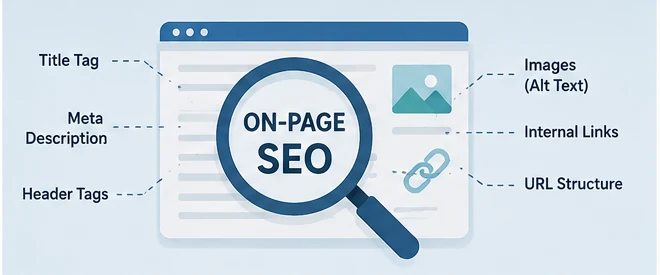
On-page SEO involves improving individual pages so that their subject and purpose are clear to both visitors and search engines. Good optimization makes important information easier to interpret without making the writing unnatural.
Create Clear Title Tags
The title tag is an important description of a page and is often prominent in search results. Make it specific, useful, and relevant to the page’s main topic.
Good practice includes keeping the title reasonably concise, incorporating the principal search phrase when appropriate, and giving users a clear reason to open the result.
Example: How to Improve Website Rankings on Google in 2026: 15 Practical Strategies
A vague title such as “Website Ranking Tips” gives much less information about what the reader will find.
Write Useful Meta Descriptions
A meta description can influence whether a searcher chooses your result, even though it is not itself a direct ranking factor. Write a concise summary that explains the page’s benefit and uses important terminology naturally.
Example: Discover practical ways to strengthen Google visibility, increase organic traffic, and improve your website’s search performance in 2026.
Use a Logical Heading Hierarchy
Headings give an article a visible information structure. Use one main H1 for the page, H2 headings for major sections, and H3 headings for supporting topics. Additional heading levels should be used only when they make the hierarchy clearer.
Do not change heading levels simply for visual styling. The hierarchy should reflect the relationship between sections and subsections.
Use Keywords Without Overusing Them
Important search terms can be included in suitable locations such as the title, URL, opening section, relevant headings, image alternative text, and conclusion. The wording should always remain natural.
Avoid repeating an exact phrase simply to increase its frequency. Search engines can interpret related concepts and variations, so expressions such as “rank higher in Google,” “improve search visibility,” “increase organic rankings,” and “strengthen Google performance” can be used where they genuinely fit.
Create Simple URLs
URLs should communicate the subject of the page without unnecessary parameters or complicated strings.
Prefer a readable address such as: yourwebsite.com/improve-google-website-ranking
An address filled with numbers, tracking parameters, or unexplained identifiers is harder for people to interpret. Keep URLs short and descriptive where practical.
Publish Content That Fully Helps the Reader
Useful content remains central to SEO. A page has a better chance of being valuable when it directly addresses the user’s need instead of being written primarily to insert search terms.
Match Search Intent
Search intent is the reason a person enters a query. Identifying that purpose helps determine what information and page format are appropriate.
Informational searches are made by people seeking knowledge. For example, “how can I improve my website ranking?” calls for an educational explanation.
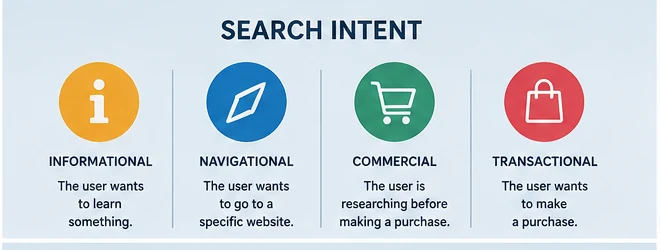
Navigational searches are aimed at reaching a particular site or service, such as a login page.
Commercial searches involve comparing choices, such as looking for the best SEO tools.
Transactional searches indicate an intention to act or purchase, such as searching for an SEO service to buy.
The content you create should reflect the expectation behind the query. If search results predominantly show guides, for example, a purely promotional page may not satisfy the same need.
Make Content Comprehensive
Pages that provide little useful information can struggle to compete with stronger resources. Rather than targeting a specific word count, aim to cover the subject to the depth that the reader actually requires.
Include useful explanations, examples, practical steps, supporting evidence, and relevant expert perspectives when appropriate. A long article is not automatically better; additional words should contribute meaningful information.
Apply E-E-A-T Principles
Content can become more credible when it demonstrates experience, expertise, authoritativeness, and trustworthiness.
Experience can be shown through firsthand observations or practical examples. Expertise comes from demonstrating a sound understanding of the subject. Authority can be strengthened through recognition and reliable references, while trust depends on accuracy, transparency, and clear information about the organization or author.
Helpful practices can include author profiles, credible citations, case studies, and accessible contact information.
Keep Existing Content Current
Published articles should not necessarily be left unchanged for years. Review important pages and replace information that has become outdated.
Check statistics, screenshots, examples, links, recommendations, and other time-sensitive details. Updating an established page can sometimes be more useful than continually publishing new material.
Make the Website Mobile-Friendly
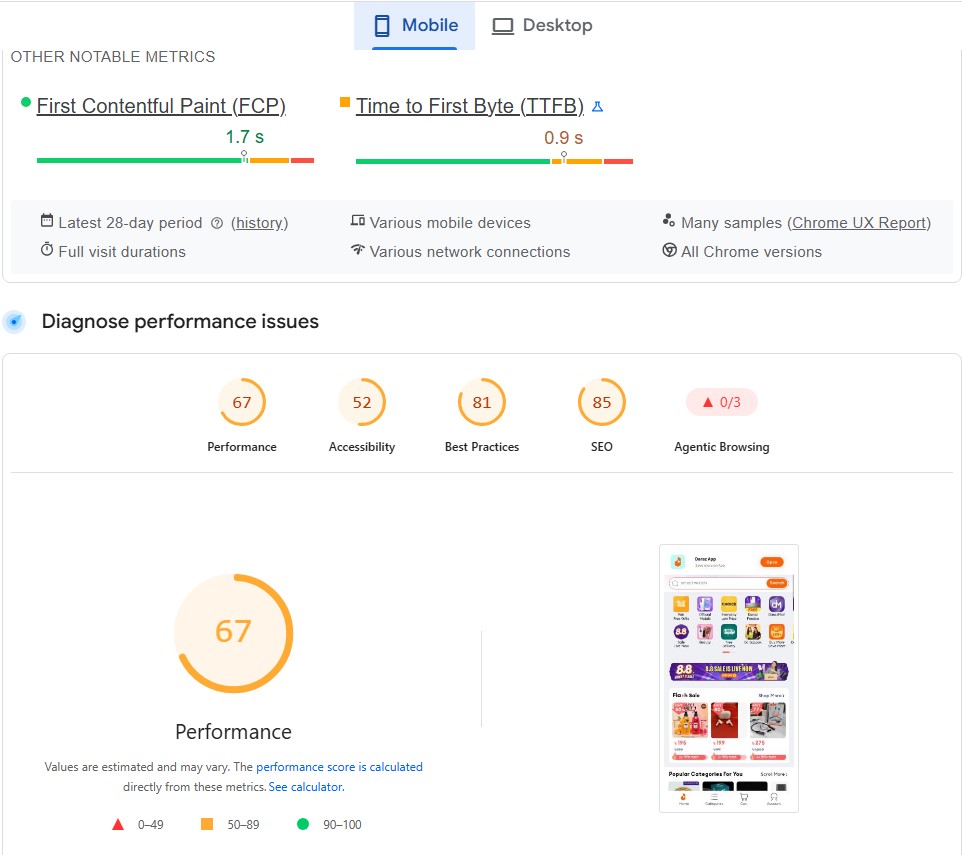
Google’s mobile-first approach means the mobile version of a site is especially important. A page that works poorly on smaller screens can create a frustrating experience and weaken its overall performance.
Use responsive layouts so pages adapt to different devices. Text should remain readable, controls should be easy to tap, and visitors should not need to scroll horizontally.
Improve Mobile Navigation
Mobile menus should be straightforward and predictable. Simple navigation patterns, accessible buttons, and clearly organized categories make it easier for visitors to move through the site.
Avoid cluttered menus and interface elements that make important content difficult to reach.
Limit Intrusive Pop-Ups
Promotional overlays can interfere with reading, particularly on small screens. Use them carefully and make sure visitors can easily access the content they came to see.
Improve Site Speed and Core Web Vitals
Website performance affects usability and is an important part of technical quality. Visitors generally expect pages to become usable quickly and interactions to respond without noticeable delays.
Three Core Web Vitals are particularly important: Largest Contentful Paint (LCP), Interaction to Next Paint (INP), and Cumulative Layout Shift (CLS). The source document identifies targets of under 2.5 seconds for LCP, under 200 milliseconds for INP, and below 0.1 for CLS.
LCP relates to loading performance, INP reflects interaction responsiveness, and CLS measures unexpected movement of page elements.
Practical Ways to Improve Performance
Compress large images and consider modern formats such as WebP or AVIF. Browser caching can reduce repeated downloads, while a content delivery network can serve assets from locations closer to visitors.
Reduce unnecessary CSS, JavaScript, and HTML. Remove plugins or scripts that do not contribute meaningful value, and use reliable hosting appropriate for the site’s traffic and workload.
Earn High-Quality Backlinks
Links from other websites can contribute to a site’s authority, but not all backlinks have equal value. Relevance, credibility, and the context in which a link is earned are more important than collecting large numbers of low-quality links.
Guest contributions on reputable sites can provide exposure, referral visits, and relevant links. Digital PR can attract references by producing original research, surveys, industry reports, or other material worth citing.
Broken-link outreach can involve finding an outdated destination and suggesting a genuinely useful replacement. Resource-page outreach can also work when a site’s material is a natural fit for a curated list.
Avoid Manipulative Link Practices
Do not rely on spam networks, purchased low-quality links, private blog networks, or automated schemes designed primarily to manipulate rankings. Such tactics can create search-related risks and rarely provide the durable value of genuine editorial references.
Improve User Experience
A successful website should make it easy for visitors to find information and accomplish their goal. Clear navigation, readable content, and useful media can all contribute to a better experience.
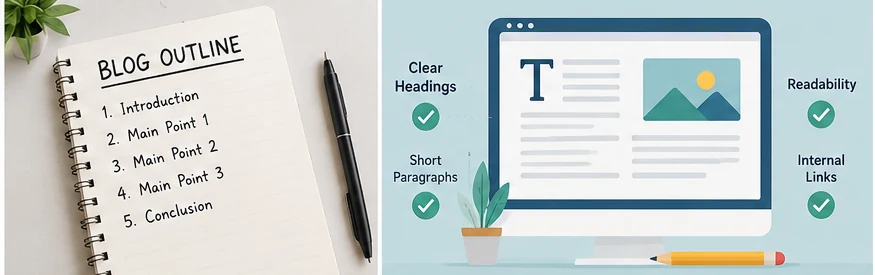
Keep menus focused and organize pages into sensible categories. Break dense text into smaller sections, use white space, and add subheadings that help readers scan the page.
Where they genuinely help, videos, diagrams, interactive tools, and tables can make information easier to understand. The goal is not simply to keep people on a page longer; it is to help them accomplish what they came to do.
Answer the central question early instead of forcing visitors through a long introduction before reaching useful information.
Use Internal Links Strategically
Internal links connect pages within the same website. They can help visitors discover related information and help search engines understand the site’s structure and find additional pages.
Link related material naturally and use descriptive anchor text. For example, “read our technical SEO guide” communicates more than a generic phrase such as “click here.”
Important links can point to pillar resources, supporting articles, or relevant service pages. Avoid adding links simply to increase their count; each link should have a clear purpose.
Optimize Images
Images can strengthen an article, but unnecessarily large files can increase page weight. Use appropriately sized files and compression to balance quality and performance.
Give image files descriptive names when practical. A filename such as “seo-audit-checklist.jpg” communicates more than a generic camera filename.
Alternative text is useful for accessibility and can also help search engines understand an image. Write concise alt text that describes the image’s actual content rather than filling it with keywords.
The source document mentions TinyPNG, ShortPixel, and Imagify as examples of image-compression tools.
Strengthen Technical SEO
Technical SEO helps search engines access, crawl, and understand a website.
Create and submit an XML sitemap through Google Search Console so important URLs can be discovered. Configure robots.txt carefully and avoid blocking pages that should be crawled.
Check the site for broken links and repair or redirect them when appropriate. Use HTTPS to protect connections and provide visitors with a more secure browsing environment.
Develop Topical Authority
A site can build stronger topical relevance by covering a subject in depth instead of publishing unrelated articles. A content-cluster approach organizes supporting pages around a central pillar resource.
For example, a broad SEO guide might connect to focused resources about technical SEO, on-page optimization, link building, keyword research, and local SEO.
Related pages should be connected through sensible internal links so both readers and search engines can understand how the information fits together.
Use Structured Data Where Appropriate
Structured data gives search engines additional information about the type and meaning of page content. Depending on the page, possible formats include Article, Product, FAQ, and Review structured data.
Correctly implemented structured data can make eligible pages easier for search engines to interpret and may support enhanced search-result presentations. It should describe the actual visible content and follow search-engine guidelines.
Monitor SEO Performance
SEO is easier to improve when performance is measured regularly. Use data to identify which pages are gaining visibility, which queries attract visitors, and where technical problems may exist.
Google Search Console can provide information about impressions, clicks, search performance, and indexing issues. Google Analytics can help analyze traffic sources, visitor behavior, and conversions.
The source document also lists Semrush, Ahrefs, Screaming Frog, Moz, and PageSpeed Insights as useful SEO tools. Choose tools according to the specific task rather than trying to use every platform.
Create a Content Maintenance Plan
Publishing new material is only one part of content management. Important existing pages should also be reviewed periodically.
The source document recommends reviewing important pages about every six months and checking statistics, screenshots, internal links, examples, and keyword targeting. The exact schedule should depend on how quickly the subject changes.
Refreshing an established resource can be an efficient way to improve its usefulness because the page already has history, links, and an existing audience.
Build Brand Authority Beyond Search
Search visibility is supported by the broader reputation of a business or publisher. A recognizable, credible brand can strengthen trust with users and create more opportunities for people to reference its work.
Possible activities include sharing expert insights, maintaining useful social channels, developing an email audience, publishing original research, and participating constructively in relevant communities.
Common SEO Problems to Avoid
Frequent problems include excessive keyword repetition, duplicate material, slow pages, poor mobile usability, manipulative backlinks, shallow content, broken links, confusing site architecture, weak analytics practices, and failing to update older pages.
Preventing these problems is as important as adding new optimization techniques. A technically sound site with useful content is a stronger foundation than a site built around shortcuts.
Conclusion
Improving Google visibility in 2026 requires a broad approach rather than a single tactic. Strong results depend on useful content, satisfying search intent, good page experience, sound technical foundations, credible authority, and ongoing measurement.
Concentrate on helping the people who visit your website. Create resources that answer real questions, make the site easy to use, earn relevant references, and use performance data to decide what should be improved next.
SEO normally requires patience. Competitive searches can take considerable time, and no strategy guarantees a particular position. Consistent improvements, accurate information, and a user-first approach provide a more sustainable path to organic growth.
Frequently Asked Questions
How long can it take to improve Google rankings?
SEO results vary according to competition, website history, technical condition, content quality, authority, and the changes being made. The source document gives a general estimate of three to six months, while noting that highly competitive industries can require more time.
What is the single most important Google ranking factor?
There is no single factor that determines every ranking. Content usefulness, relevance, links, user experience, and technical quality can work together, and their importance varies by query and situation.
Does page speed matter for SEO?
Yes. Faster, more responsive pages generally provide a better experience, and performance is part of Google’s broader page-experience and technical considerations.
Do backlinks still matter in 2026?
Relevant, trustworthy backlinks can still serve as important authority signals. Their quality and context matter much more than simply accumulating a large number of links.
How frequently should content be updated?
Review important pages regularly, with the source document suggesting intervals of roughly three to six months in its FAQ and about six months in its content-update section. Adjust the schedule when a topic changes more quickly or more slowly.
Is mobile optimization necessary?
Yes. A website should work well on mobile devices, including readable text, accessible controls, responsive layouts, and straightforward navigation.
Can a website rank without backlinks?
It can, particularly for queries with limited competition. However, relevant external references can strengthen a site’s authority and increase its ability to compete for more difficult searches.
Which SEO tools are suitable for beginners?
Google Search Console and Google Analytics are useful starting points because they provide valuable performance and audience information. Other tools can be added when a specific need arises.
Can AI-assisted content rank in Google?
AI-assisted material can perform in search when the finished content is accurate, original, useful, and aligned with what users are looking for. Human review remains important for checking facts, improving specificity, and adding genuine expertise or experience.
What does topical authority mean?
Topical authority describes a site’s depth and credibility around a particular subject. Instead of publishing isolated articles, the site develops a connected body of useful resources that covers the topic from several relevant angles.
