

Category: SEO · Buyer’s Guide · 12 min read
Published: June 11, 2026 · Last updated June 2026
In This Article
- The Short Answer
- What Professional SEO Services Actually Include
- The Evidence: Why SEO Works When Done Right
- When SEO Services Fail
- Red Flags: How to Spot a Bad Provider
- How to Measure If Your Investment Is Working
- Who Should and Shouldn’t Invest
- Frequently Asked Questions
The Short Answer
Do SEO services work? Yes, for most businesses they do, but the honest answer comes with conditions. Search engine optimization pays off when a skilled provider runs the campaign, when the strategy fits your goals, and when you give it enough time to mature. Get those three things right, and organic search becomes one of the most cost-effective growth channels you own.
You’ve probably heard the bold promises. Some agencies pledge the top spot on Google in 30 days. Meanwhile, you’ve likely also heard the horror stories of wasted budgets and vanishing rankings. Both extremes exist, so skepticism is healthy here. This guide cuts through the noise with a balanced, evidence-based look at what SEO services really deliver, and how to tell a genuine partner from a costly mistake.
What Professional SEO Services Actually Include
Before judging whether SEO works, you need to know what you’re buying. The term covers a wide range of work, and scope varies a lot between providers. A complete, professional package usually blends several core services rather than one isolated tactic.
Here’s what a full engagement typically covers:
- Technical SEO: fixing crawl issues, site speed, mobile rendering, indexing, and structured data so search engines can read your site properly.
- On-page optimization: improving title tags, headings, internal links, and content so each page matches search intent.
- Content creation: producing original, useful pages and blog posts that earn rankings and answer real questions.
- Link building: earning quality backlinks from relevant sites, which remain a top-ranking signal.
- Local SEO: optimizing your Google Business Profile, citations, and reviews to win map-pack visibility.
- Reporting: monthly updates tied to leads and revenue, not just keyword positions.
Some of this work happens once, like an initial technical audit. Other tasks, such as content and link acquisition, run continuously. Basic packages often stop at keyword research and light on-page tweaks. By contrast, professional services cover the full spectrum, which is usually what separates results from disappointment.
The Evidence: Why SEO Works When Done Right
The data on organic search is strong, and it keeps getting stronger. Recent industry research puts the median return on SEO investment near 748%, which works out to roughly $7 to $8 back for every dollar spent. That figure already accounts for content, optimization, and link-building costs, so it reflects real-world spending rather than theory.
Organic Search Drives Serious Traffic
Consider where your visitors come from. Organic search still accounts for more than half of the average website’s traffic, and nearly half of marketers rank it as their highest-ROI channel. Because searchers actively look for what you offer, they arrive with intent. As a result, SEO-generated leads close at around 14.6%, compared to just 1.7% for outbound methods like cold email.
Returns That Compound Over Time
Paid ads stop the moment you stop paying. SEO behaves differently. The rankings you earn keep working long after the initial effort, which is why the channel compounds. A page published this year gains authority, links, and engagement signals over the next twelve months, so it ranks more easily as it ages.
The Catch Is Patience
Here’s the honest tradeoff. SEO rarely delivers fast wins. Most businesses reach positive ROI somewhere between six and twelve months into a sustained campaign, and peak results often arrive in year two or three. Early technical fixes can move rankings within four to eight weeks, yet meaningful lead volume takes longer to build. Anyone who promises instant returns is misunderstanding, or misrepresenting, how the channel works.
When SEO Services Fail
SEO does not work every time, and pretending otherwise would be dishonest. When campaigns flop, the failure usually traces back to a handful of predictable causes rather than the channel itself.
Poor Provider Selection
Hiring on price alone is the most common mistake. Quality SEO requires a strategist, a technical expert, a content writer, and a link builder. You simply cannot buy that team for $200 a month. Cheap packages typically lean on automation or offshore shortcuts that produce thin, generic work.
Risky, Short-Term Tactics
Some providers chase quick wins with black-hat methods like keyword stuffing, purchased links, private blog networks, and cloaking. These tricks may lift rankings briefly. Then a Google update catches them, and traffic can collapse by 60% to 95% overnight. Recovery from a penalty often costs far more than the campaign ever saved.
Misalignment and Impatience
Two quieter failures round out the list. First, a strategy disconnected from business goals produces traffic that never converts. Second, unrealistic expectations sink otherwise sound campaigns, because owners abandon the work before it matures. SEO needs collaboration and time, so cutting either one short undermines the result.
Red Flags: How to Spot a Bad Provider

Choosing the wrong agency is expensive. Beyond the wasted retainer, you lose months of momentum and sometimes damage your rankings. Fortunately, bad providers tend to reveal themselves through recognizable warning signs.
Watch closely for these red flags:
- Guaranteed rankings: No agency controls Google’s algorithm, so no one can promise the number one spot. Google itself warns against anyone who makes this claim.
- Secretive methods: If a provider hides behind “proprietary secrets” or refuses to explain their approach, walk away. Real SEO follows established, explainable best practices.
- Vanity-metric reporting: Hundreds of tracked keywords and colorful arrows mean little. Strong reports connect work to leads, calls, and revenue.
- Suspiciously low pricing: Prices far below market usually signal automated or black-hat work you’ll pay for later.
- No account ownership: If you don’t control your Analytics, Search Console, and Google Business Profile, you don’t control your SEO.
- Fake urgency: Rankings don’t change based on how fast you sign. Pressure tactics exist to stop you from comparing providers.
One simple test cuts through most sales pitches. Ask the agency to rank for its own service keywords. A provider that cannot rank its own site has no business promising to rank yours.
How to Measure If Your Investment Is Working
You don’t have to take an agency’s word for anything. Organic search is one of the most trackable channels available, so you can verify results yourself with the right metrics.
Primary Metrics That Matter
Focus first on the numbers tied to business outcomes:
- Organic traffic growth: a steady rise in non-paid visitors over time.
- Keyword rankings: improvements on terms your actual customers search for.
- Organic conversion rate: the share of search visitors who become leads or buyers.
- Revenue from organic search: the figure that ultimately justifies the spend.
Supporting Signals
Secondary indicators help you spot progress before revenue arrives. These include backlink profile growth, improved page speed, healthy indexation, and rising domain authority. Together, they show whether the foundation is strengthening even during the slower early months.
Verify It Yourself
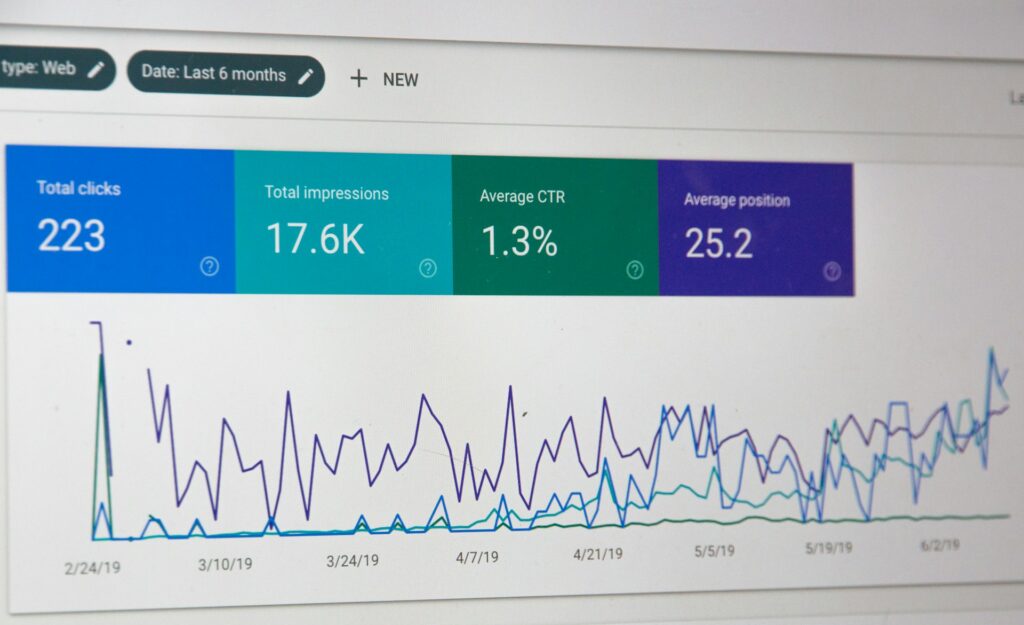
Two free tools give you an independent view. Google Search Console shows impressions, clicks, and rankings straight from the source. Google Analytics reveals how organic visitors behave once they land. Use both, review reports monthly, and hold a deeper strategic review each quarter. That rhythm keeps everyone honest.
Who Should and Shouldn’t Invest
SEO isn’t the right first move for every business, and a good provider will tell you so. Knowing where you fall saves money and frustration.

Strong Fits for SEO
Certain businesses see outsized returns. Companies with high customer lifetime values benefit most, since a single new client can repay months of investment. Legal services, home services like plumbing and HVAC, healthcare practices, real estate, and financial services all tend to thrive with organic search. Local businesses gain a special edge too, because location-based searches let them compete against far larger rivals.
Poor Fits, At Least for Now
Timing matters as much as industry. A brand-new business with no website and no revenue runway may need faster channels first. Likewise, any company that needs sales within 30 days should look elsewhere in the short term. In those cases, paid search can generate leads immediately while SEO quietly builds momentum underneath. Running both together is often the smartest play, because paid data feeds your organic strategy.
The Bottom Line
So, do SEO services work? For most established businesses willing to invest consistently, the answer is a confident yes. The evidence is hard to argue with: strong compounding returns, higher-intent traffic, and lower long-term acquisition costs than paid media. The difference between success and waste rarely comes down to the channel. Instead, it comes down to who runs the campaign and how realistic your expectations are.
Do your homework before signing anything. Vet providers carefully, demand transparency, insist on revenue-focused reporting, and give the work the six to twelve months it needs. Treat SEO as infrastructure rather than advertising, and it becomes an asset that appreciates year after year.
Frequently Asked Questions
Expect a gradual climb rather than an overnight jump. Early technical improvements can move rankings within four to eight weeks, and new content often becomes visible around month four to six. Positive ROI typically arrives between six and twelve months into a well-run campaign, while peak results usually land in year two or three. Patience is part of the strategy, because organic authority builds steadily rather than instantly.
Pricing spans a wide range depending on scope and market competitiveness. Most small businesses pay somewhere between $1,500 and $5,000 per month, with a median retainer around $3,500 for comprehensive service. Hourly rates generally fall between $100 and $150. Research suggests $500 per month is roughly the minimum threshold below which results tend to disappoint, so extremely cheap packages often cost more in the long run.
They serve different purposes, and the smartest approach often combines them. Paid ads deliver immediate, controllable traffic that stops the moment you stop paying. SEO builds a compounding asset that keeps producing after the initial investment. Over time, the cost per lead from organic search tends to fall, while paid costs often rise as competition increases. Use paid search for speed and SEO for durable, long-term growth.
No, and any provider claiming otherwise is a warning sign. Google’s algorithm weighs hundreds of signals and updates constantly, so no outside agency controls where you land. What a credible provider can guarantee is process: consistent technical work, quality content, and ethical link building. Outcomes then follow over time, measured against your competitive landscape rather than an arbitrary promise.
Yes, and arguably more than before. Research shows that the majority of URLs cited in Google’s AI Overviews also rank in the traditional top ten results. In other words, strong fundamentals, authoritative content, quality backlinks, and clear expertise, drive visibility in both classic search and AI-generated answers. Solid SEO positions your brand as a trusted source across both worlds.
Take a few practical steps before switching. First, secure full access to your Analytics, Search Console, and content management accounts, so you keep ownership of your data. Next, get an independent third-party audit to establish a clear baseline. Review your contract for exit clauses, then choose a new provider based on transparent reporting and revenue-focused results rather than promises.
This article is for general informational purposes and reflects industry data available as of mid-2026. Specific results vary by business, market, and provider, so treat the benchmarks here as starting points rather than guarantees.
