
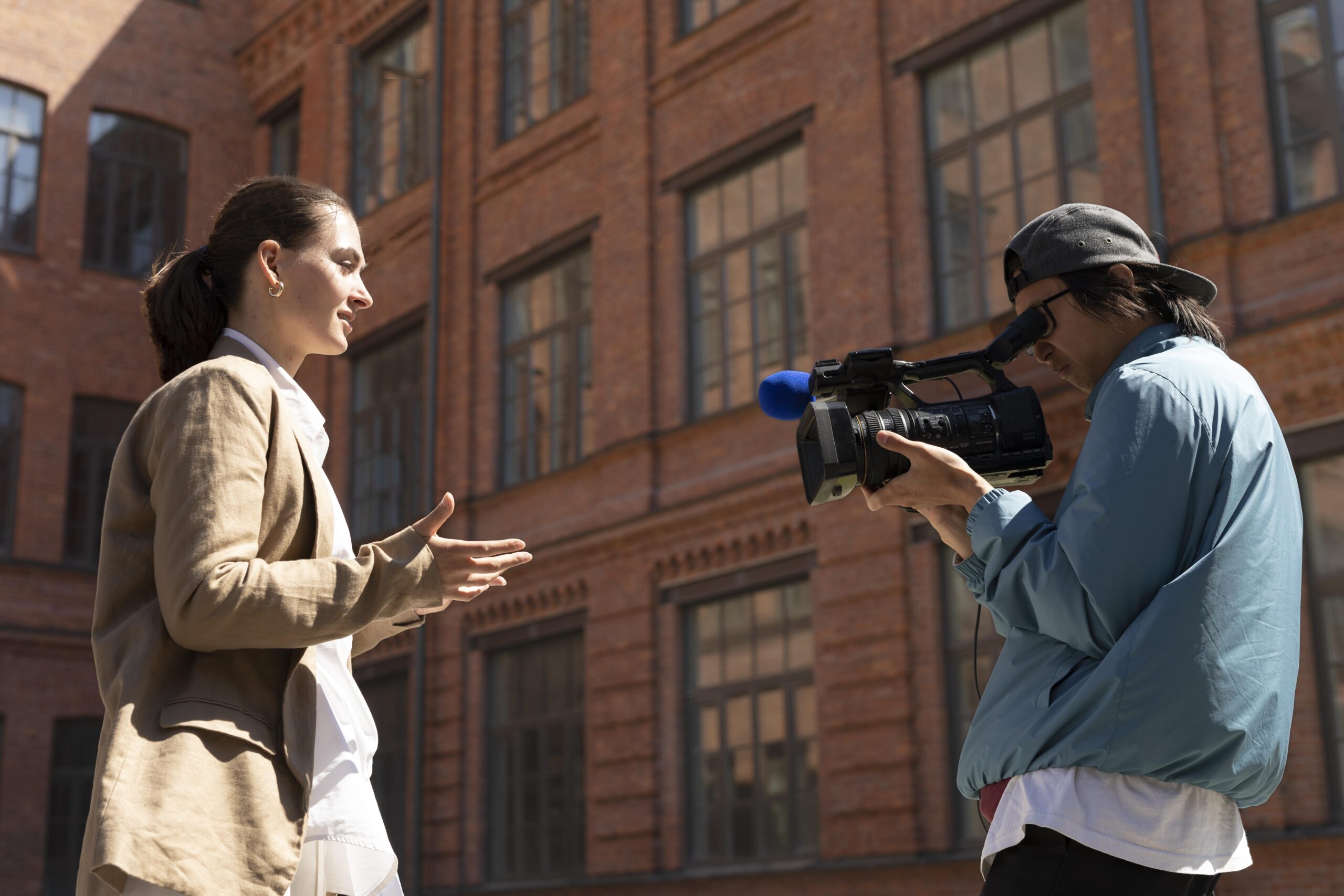
Cinematography shots shape how viewers perceive and experience a story. In visual storytelling, the types of cinematography shots control focus, emotion, and meaning. For example, a wide shot reveals the environment, while a close-up highlights emotion. Therefore, shot selection directly affects engagement, clarity, and mood. Filmmakers, YouTubers, marketers, and students use different shots to guide attention without relying only on dialogue.
In this complete guide, you will learn all the major shot types used in filmmaking. Moreover, you will understand when to use each shot and why it works. Whether you are a beginner, video editor, or content creator, this guide will help you create professional visuals.
Cinematography Shots: What Are They?
The Cinematography shots describe how a camera captures a subject in one continuous recording. In simple terms, a shot begins when the camera starts recording and ends when it stops. Each shot guides viewers on what to see and how to interpret the scene.
However, many beginners confuse shots with angles and movements. Although they are related, they are not the same.
Shot: Framing and distance of the subject
Angle: Camera position relative to the subject
Movement: How the camera moves during the shot
Understanding these differences is essential. Otherwise, you may choose the wrong technique and weaken your story. Furthermore, knowledge of shots helps filmmakers control pacing and emotion. For instance, action scenes often use wide shots, while emotional moments rely on close-ups. As a result, mastering shots is a key step toward professional filmmaking.
Cinematography Shots Classification
Cinematography shots fall into four main categories. Each category serves a specific storytelling purpose.
Shots Based on Distance
These depend on how far the camera is from the subject. Consequently, they determine how much of the environment viewers can see.
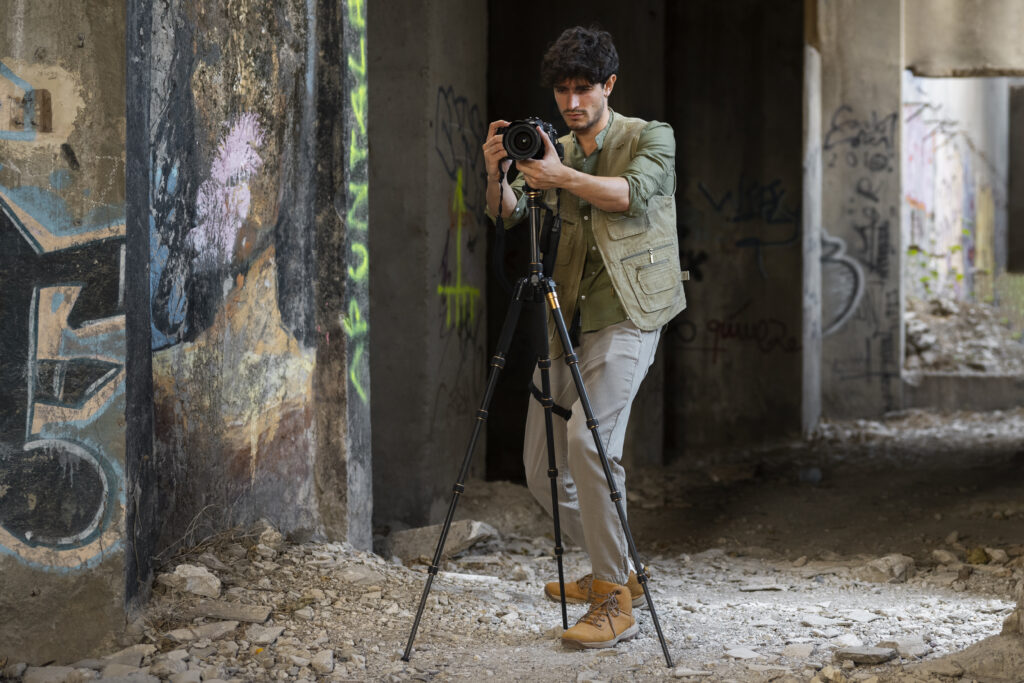
Shots Based on Camera Angle
These depend on the vertical position of the camera. Therefore, they influence power, dominance, and perspective.
Shots Based on Camera Movement
These involve motion during recording. As a result, movement adds energy and realism.
Shots Based on Composition and Framing
These focus on how subjects appear within the frame. Thus, they shape relationships and visual balance.
Cinematography Shots Based on Camera Distance
Extreme Wide Shot (EWS / Establishing Shot)
An extreme wide shot shows a large area from a long distance. As a result, the subject appears very small.
Purpose: Establish location and atmosphere
Use cases: Opening scenes, landscapes, city introductions
Wide Shot (WS / Long Shot)
A wide shot shows the subject’s full body along with surroundings.
When to use: Action scenes and movement
Impact: Helps viewers understand space and context
Full Shot (FS)
A full shot frame includes the character from head to toe.
Character framing: Shows body language
Scene context: Useful in action or dance scenes
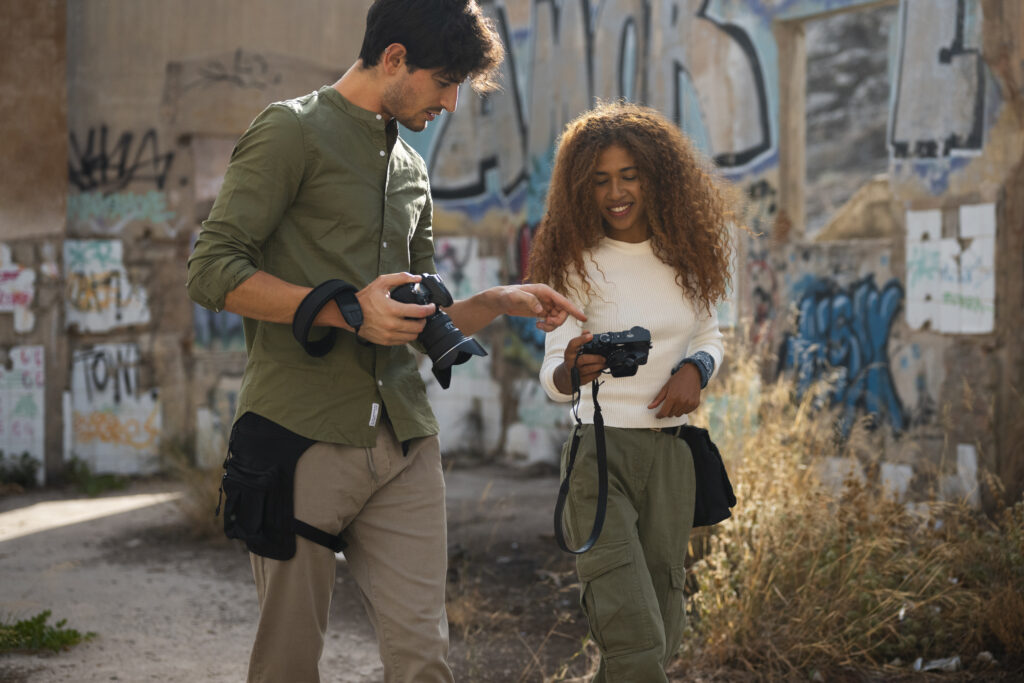
Medium Wide Shot (MWS)
These types of shots frame the subject from the knees up.
Balance: Combines character and environment
Use: Group interactions and conversations
Medium Shot (MS)
A medium shot frames focusing on the subject from the waist up.
Why common: Feels natural and balanced
Use: Interviews, dialogue scenes, presentations
Medium Close-Up (MCU)
This shot frames from the chest or shoulders up.
Emotional connection: Shows facial expressions clearly while keeping context
Close-Up Shot (CU)
A close-up focuses on the face or a specific object.
Facial expressions: Reveals emotion clearly
Dramatic emphasis: Highlights important details
Extreme Close-Up (ECU)
These shots isolate a very small detail on the camera such as eyes or hands.
Symbolism: Emphasizes key story elements
Intensity: Creates tension and drama
Cinematography Shots Based on Camera Angles
Eye-Level Shot
The camera stays at the subject’s eye level.
Effect: Neutral and realistic perspective
High-Angle Shot
The camera looks down at the subject.
Meaning: Makes the subject appear weak or vulnerable
Low-Angle Shot
The camera looks upward at the subject.
Effect: Creates power and dominance
Bird’s-Eye View / Overhead Shot
The camera captures the scene from directly above.
Visual scale: Shows patterns and layout
Use: Action scenes or transitions
Worm’s-Eye View
The camera shoots upward from ground level.
Perspective: Makes subjects look large and dramatic
Dutch Angle (Tilted Shot)
The camera tilts sideways.
Purpose: Creates tension, confusion, or instability
Cinematography Shots Based on Camera Movement
Static Shot
The camera remains still.
When to use: Calm or focused moments
Pan Shot
The camera moves horizontally.
Use: Follow movement or reveal surroundings
Tilt Shot
The camera moves vertically.
Purpose: Show height or scale
Dolly Shot
The camera moves forward or backward.
Effect: Creates depth and immersion
Tracking Shot
The camera follows a moving subject.
Use: Walking or action sequences
Crane / Jib Shot
The camera moves up or down through space.
Effect: Adds cinematic scale and elegance
Handheld Shot
The camera is held by hand.
Realism: Creates urgency and documentary feel
Zoom Shot
The lens changes focal length.
Optical vs digital: Optical zoom maintains quality, while digital zoom may reduce clarity
Cinematography Shots Based on Composition and Framing
Over-the-Shoulder Shot (OTS)
Shows the view from behind a character.
Use: Dialogue scenes
Two Shot
Frames two characters together.
Purpose: Shows relationships and interaction
Point-of-View Shot (POV)
Shows what a character sees.
Effect: Creates immersion
Cutaway Shot
Shows another element related to the scene.
Purpose: Maintain continuity
Insert Shot
Focuses on a specific detail.
Use: Highlight objects or clues
Reaction Shot
Shows a character’s response.
Purpose: Emphasize emotion
Advanced Cinematography Shots
Long Take / One-Shot
A continuous shot without cuts.
Rack Focus Shot
Shifts focus between subjects in the same frame.
Whip Pan Shot
A fast pan that creates motion blur.
Slow Motion Shot
Emphasizes dramatic action.
Time-Lapse Shot
Shows time passing quickly.
How to Choose the Right Cinematography Shot
Selecting the right shot depends on several factors:
- Story intent: The message you want to deliver
- Emotion: The feeling you want to evoke
- Genre: Action, drama, comedy, or documentary
- Platform: Film, YouTube, TikTok, or advertising
For example, social media videos often use close shots for mobile viewing. In contrast, films frequently use wide shots for cinematic scale.
Cinematography Shots for Different Content Types
Films
Use a variety of shots for rich storytelling.
TV Shows
s on medium and close shots for dialogue scenes.
YouTube Videos
Prefer medium shots and close-ups for engagement.
Commercials and Ads
Use dynamic shots to capture attention quickly.
Common Mistakes When Using Cinematography Shots
- Overusing movement can distract viewers
- Choosing the wrong shot size can confuse storytelling
- Poor framing reduces visual quality
- Ignoring continuity breaks immersion
Avoiding these mistakes will significantly improve your videos.
Frequently Asked Questions
How many types of cinematography shots are there?
There are many, but most fall into distance, angle, movement, and composition categories.
What is the most common shot in films?
The medium shot is the most widely used.
What is an establishing shot?
An extreme wide shot that introduces a location.
What shot shows emotion best?
Close-up and medium close-up shots.
What shot is best for interviews?
A medium shot or medium close-up.
Cinematography Shot Cheat Sheet
| Shot | Purpose | Best Use |
| Wide Shot | Show environment | Opening scenes |
| Medium Shot | Balanced view | Interviews |
| Close-Up | Show emotion | Dramatic moments |
| Tracking Shot | Follow action | Movement scenes |
Conclusion
Visual storytelling requires mastery of the kind of cinematography shots. Every shot directs both the viewer’s attention and emotion. Hence, knowing what time to apply each one of them will change your videos. Start with various kinds of shots in your work. You will automatically select the frame which is the best over time. Consequently, your images will be more professional and engaging and cinematic.
To become a better filmmaker or creator, you should keep learning about filmmaking techniques and filmmaking guides. You should practice and by the time you realize it, you can tell stories better than you thought.
